


Sword Handle Types: A Guide to Grips, Guards, and Pommel Designs
Posted by Wholesale Blades on 9/16/2026 to
Swords
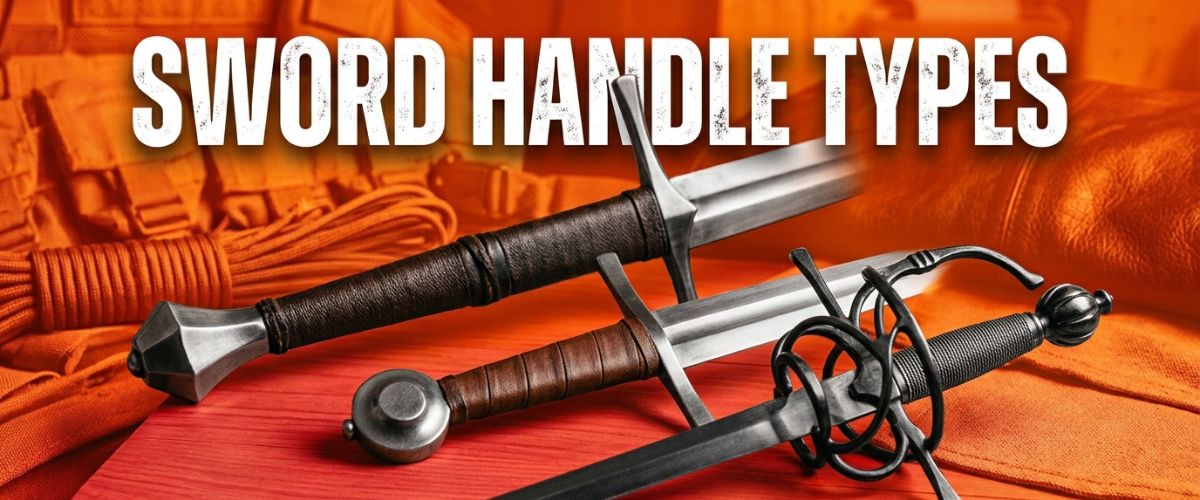
When people picture a sword, they often focus on the blade. However, the sword handle is just as important to the weapon’s overall design, balance, control, and historical character. From the simple wrapped grips of early medieval swords to the elaborate guards and pommels found on later European weapons, sword handles have evolved alongside fighting techniques, materials, and cultural traditions.
A sword handle is more than the part you hold. It is a carefully designed combination of the grip, guard, and pommel, each contributing to how a sword feels and functions in the hand. Understanding these components can make it much easier to identify different sword types, appreciate historical craftsmanship, or choose an appropriate design for collecting and displaying.
What is a Sword Handle?
The term sword handle generally refers to the section of a sword that allows the user to hold and control it. In historical sword terminology, the handle is often discussed as part of the sword’s hilt. A traditional hilt commonly consists of three primary components:

- Grip: The section held by the hand.
- Guard: The protective component positioned between the grip and blade.
- Pommel: The end component that helps secure and balance the hilt.
The exact appearance of these components varies enormously. A Viking sword, medieval arming sword, rapier, katana, and saber can all have radically different handle designs. This variety is not purely decorative. Sword handle construction reflects the sword's intended use, period, region, and fighting tradition.
The Grip: Where Hand Meets Sword
The grip is the central portion of the sword handle. It provides the surface through which the user controls the weapon. Historical sword grips were made from a wide range of materials, depending on location and period.
- Wood Cores
Many traditional sword grips used a wooden core. Wood provided a relatively lightweight and workable foundation that could be shaped to fit the hand. A wooden grip was frequently covered with another material to improve comfort and traction. Depending on the sword, the covering might include leather, cord, fabric, or other materials.
- Leather-Wrapped Grips
Leather is one of the most recognizable sword grip materials. It offers a textured surface that can provide a secure hold while also protecting the underlying grip. Leather wrapping can appear in numerous patterns. Some grips use straightforward longitudinal or spiral wrapping, while others incorporate decorative stitching.
- Cord and Wire Wrapping
Cord-wrapped sword handles are particularly recognizable in several historical traditions. Wrapping the grip with cord can create raised ridges that help prevent the hand from slipping. Wire wrapping can serve a similar purpose while adding an ornate appearance. Decorative metal wire was especially common on some later historical and ceremonial sword designs.
- Shaped Grips
Not every sword has a simple cylindrical grip. Some handles are carefully contoured, with wider or narrower sections designed around the shape and movement of the hand. The profile can influence how the sword rotates and how easily the user can reposition it. This is one reason why two swords with similarly sized blades can feel completely different when held.
Sword Handle Length and Hand Position
The size of a sword handle can tell us something about how the sword was intended to be used. A short grip may be designed primarily for one-handed use, while a longer handle can accommodate two hands. Some sword types occupy the middle ground, offering enough room for varied hand positioning.
Historical terminology can become complicated here because handle dimensions often overlap between sword categories. A longer grip does not automatically identify a sword as a particular type. Instead, researchers generally consider the entire weapon: blade geometry, hilt construction, dimensions, balance, historical context, and intended use.
The Guard: Protecting the Hand
The guard is the component positioned between the blade and grip. Its most obvious purpose is to help protect the hand from an opposing blade. However, guards can also contribute to the sword's overall balance and provide surfaces that support different hand positions. Sword guards range from extremely simple crossbars to elaborate structures that surround much of the hand.
- Crossguards
The crossguard is one of the most recognizable sword-hilt designs. It typically extends across the sword at roughly a right angle to the blade. Early and medieval swords frequently used relatively straightforward crossguard forms. Over time, crossguards developed increasingly complex shapes.
- Quillons
The arms of a crossguard are often called quillons. Their shape can vary substantially. Straight quillons create a simple, recognizable silhouette, while curved or angled quillons can provide additional hand protection or reflect the aesthetic conventions of a particular period.
- Basket Guards
A basket guard surrounds the hand with a protective framework. Basket-hilted swords became particularly associated with certain European military traditions. Rather than relying on a single crossbar, a basket guard can use multiple metal elements to create a protective enclosure around the hand. The result is a distinctive sword handle that offers substantially more hand coverage than a basic crossguard.
- Knuckle Guards
Some sword handles feature a knuckle bow or knuckle guard extending from the guard toward the pommel. This design protects the fingers and back of the hand while still leaving much of the grip accessible. Knuckle guards became particularly prominent on several later European sword designs.
- Complex Rapier Guards
Rapiers are famous for their elaborate hilts. Their guards may include rings, bars, shells, and other components arranged around the hand. These structures demonstrate how sword handles could evolve in response to changing fencing techniques and the need for increased hand protection.
The Pommel: The End of the Hilt
The pommel is located at the end of the sword handle, opposite the blade. It serves an important structural purpose by helping secure the grip and hilt components. It can also affect the weapon's balance. Historically, pommels appeared in a remarkable range of shapes.
- Disc Pommels
Disc-shaped pommels are strongly associated with several medieval sword traditions. They provide a relatively compact termination to the grip and can contribute to the sword's balance.
- Scent-Stopper Pommels
A scent-stopper pommel has a rounded, bulbous form that resembles a small bottle or stopper. This distinctive shape appears on various historical European swords and later reproductions.
- Wheel Pommels
Wheel pommels are broadly circular and can range from relatively plain forms to highly decorated examples. Their silhouette is particularly recognizable on certain medieval sword designs.
- Mushroom and Button Pommels
Some swords have rounded or button-like pommels. These can be simple and functional or elaborately decorated depending on the weapon's period and purpose.
- Decorative Pommels
Not every pommel was intended to be visually understated. Royal, ceremonial, and presentation swords could feature elaborate pommels incorporating symbolic imagery, precious materials, or detailed metalwork. In such cases, the pommel could communicate status and identity as much as it contributed to the physical design.
How Grip, Guard, and Pommel Work Together
It is useful to think of the sword handle as an integrated system rather than three unrelated components. The grip determines how the hand interfaces with the sword. The guard provides hand protection and can influence handling. The pommel secures the hilt and contributes to overall balance.
Changing any one of these components can alter the character of the entire sword. For example, adding a large guard increases protection around the hand but also changes the weight distribution of the hilt. Similarly, changing the pommel's mass can influence the sword's balance. This relationship explains why historical sword makers paid close attention to the proportions of the complete hilt.
Common Sword Handle Styles by Sword Tradition
Different sword traditions provide useful examples of how handle design evolved.
- Viking Sword Handles
Viking-age swords commonly featured relatively compact hilts with distinctive guards and pommels. Some examples have highly decorated metalwork, demonstrating that sword handles could serve as expressions of wealth and craftsmanship.
- Medieval Arming Sword Handles
The classic medieval one-handed sword often features a grip between a crossguard and pommel. Handle proportions varied significantly throughout the medieval period.
- Longsword Handles
Longswords generally have longer grips that accommodate two-handed use. Their handles are often visually simple compared with the elaborate hilts of later rapiers and sabers.
- Rapier Handles
Rapiers are notable for complex protective guards. Their sword handles can include multiple rings, bars, shells, and other components designed around the hand and fencing style.
- Saber Handles
Saber hilts vary by region and period, but many feature curved guards or knuckle protection. The relationship between the grip and guard reflects the saber's development as a predominantly cutting-oriented military sword.
- Japanese Sword Handles
The handle of a Japanese sword, such as a katana sword, follows a distinctly different construction tradition. The wooden core is traditionally wrapped with materials such as ray skin and textile cord, producing a characteristic textured appearance. Japanese sword furniture also includes components such as the tsuba, which functions as a hand guard between the blade and handle.
- Decorative Sword Handles
Not all sword handles were designed primarily for battlefield use. Ceremonial and presentation swords frequently feature highly decorative hilts. Materials and ornamentation can include engraved metal, precious metals, carved wood, gemstones, enamel, and decorative leather or textile.These designs can make the hilt an important historical artifact in its own right. When examining a decorative sword handle, however, appearance alone should not be used to determine age or authenticity. Modern reproductions can closely imitate historical styles.
Choosing a Sword Handle for Collecting or Display
For collectors and enthusiasts, the right sword handle depends on the intended purpose. A historically inspired reproduction may be chosen for its resemblance to a particular period. A decorative sword might prioritize visual appeal. A museum-quality replica may focus on historical construction and materials.
When purchasing a sword for display, pay attention to the construction quality of the hilt rather than judging the item solely by the blade. A well-designed sword handle should look proportionate to the blade and demonstrate coherent construction. Loose components, poorly fitted guards, or uneven wrapping can detract from both appearance and historical authenticity. For any sword intended for practical handling, training, or martial-arts practice, appropriate safety equipment and qualified instruction are essential.
Give More Attention to the Sword Handle!
The sword handle is one of the most fascinating parts of any sword. Its grip determines how the hand interacts with the weapon, its guard provides protection, and its pommel helps complete the hilt while contributing to balance and structure. From medieval crossguards and wheel pommels to elaborate rapier hilts and protective basket guards, sword-handle designs reflect centuries of technological development and cultural change.
Whether you're interested in historical swords, collecting museum pieces, reenactment, or simply understanding sword anatomy, learning about grips, guards, and pommels provides a deeper appreciation for these remarkable objects. The next time you look at a sword, don't focus only on the blade. Examine the handle. Its materials, proportions, decoration, and construction may reveal just as much about the sword's history as the steel itself.
